
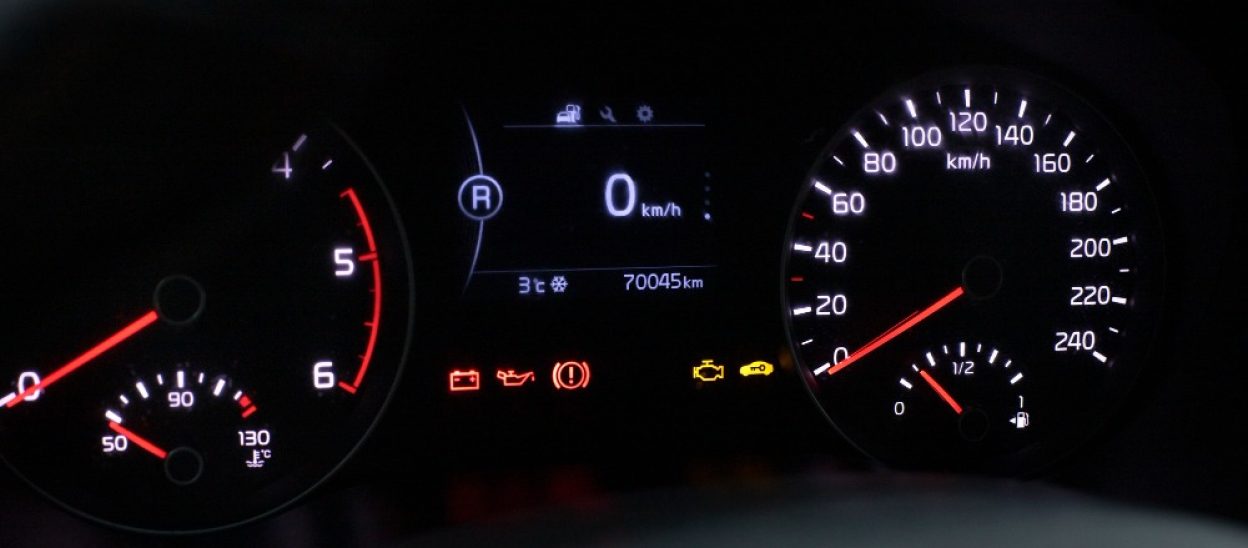
A check engine light typically comes on due to sensor failures, emissions system issues, ignition problems, or something as simple as a loose gas cap. In European luxury vehicles like BMW, Audi, and Mercedes-Benz, the onboard computer systems are especially sensitive, which means the light can trigger for a wider range of issues than in many domestic vehicles, from minor to more serious.
Understanding what’s actually going on before assuming the worst can save you both stress and unnecessary repair costs. This guide walks through the most common causes specific to European vehicles, what to do next, and how to tell when it’s urgent.
How the Check Engine Light System Works
Every modern vehicle has an onboard diagnostic system, commonly called OBD II, that continuously monitors your engine, transmission, and emissions systems. When a sensor detects a reading outside the expected range, it stores a trouble code and triggers the check engine light. This light doesn’t tell you exactly what’s wrong on its own, it simply signals that something needs attention, similar to how a fever tells a doctor something is off without pinpointing the exact cause.
European vehicles tend to have more sophisticated onboard computer systems than many domestic cars, which means they monitor a wider range of parameters and can be more sensitive to minor fluctuations.
Common Causes of a Check Engine Light in European Vehicles
Sensor Failures
Oxygen sensors, mass airflow sensors, and various other sensors throughout the engine and emissions system can wear out or fail over time. Since these sensors constantly feed data to the onboard computer, even a single failing sensor can trigger the light.
Emissions System Issues
Components like the catalytic converter, EVAP system, or emissions valves can develop problems that affect how efficiently your vehicle processes exhaust gases. European vehicles are often calibrated with tighter emissions tolerances, which can make them more likely to flag emissions-related issues.
Ignition Problems
Worn spark plugs, failing ignition coils, or misfires can all trigger a check engine light. In turbocharged European engines, which many BMW, Audi, and Mercedes models use, ignition issues can also affect performance more noticeably than in naturally aspirated engines.
Loose or Faulty Gas Cap
This is one of the simplest and most overlooked causes. A loose or damaged gas cap can allow fuel vapors to escape, triggering an EVAP system fault. It’s always worth checking this first before assuming a more serious problem.
Software and Programming Issues
European vehicles rely heavily on software to manage engine performance, transmission behavior, and various vehicle systems. Outdated or corrupted software can occasionally trigger fault codes that don’t necessarily point to a mechanical problem, which is why proper diagnostic tools matter so much for accurate results.
Real-World Example: Why Second Opinions Matter
Owners occasionally visit multiple shops for the same check engine light issue and get different answers. This usually happens when a shop relies solely on the initial code reading without doing the deeper diagnostic work needed to confirm the actual root cause. In some cases, a dealership might quote an expensive repair based on a single code, when the actual issue turns out to be something far simpler once a technician investigates further. This is exactly why thorough diagnostics, not just quick code scans, matter so much for accurate and cost-effective repairs.
How Regular Maintenance Reduces Check Engine Light Surprises
While a check engine light can appear even on a well-maintained vehicle, staying current on routine maintenance, like spark plug replacement, fluid changes, and sensor inspections, meaningfully reduces how often the light comes on in the first place. Many of the issues that trigger the light are preventable with consistent care rather than reactive repairs after something already feels wrong.
Is It Safe to Keep Driving With the Check Engine Light On?
This depends on how the light is behaving. A steady, solid check engine light usually indicates a less urgent issue, though it should still be checked soon. A flashing check engine light is a different story, it typically signals a more serious problem, like an engine misfire, that could cause damage if you continue driving. If your light is flashing, it’s best to get your vehicle inspected as soon as possible rather than waiting.
Why European Cars Trigger the Light More Often Than Domestic Vehicles
European luxury brands generally use more complex engineering, tighter tolerances, and more advanced onboard computer systems than many mass-market domestic vehicles. This sophistication brings performance and efficiency benefits, but it also means these systems are monitoring more variables and can flag issues that a simpler system might not catch at all. It’s not that European cars are inherently less reliable, it’s that they’re designed to alert you to potential issues earlier and more precisely.
Why Dealership Diagnostics Aren’t Always the Answer
Some owners assume a dealership is the only place equipped to properly diagnose a European vehicle’s check engine light. In reality, an independent specialist with the right factory-level diagnostic tools and brand-specific training can often provide the same accuracy, frequently with faster turnaround and more transparent pricing. The key factor isn’t whether it’s a dealership, it’s whether the shop has genuine experience and proper equipment for your specific make.
What Happens During a Proper Diagnostic
A thorough check engine light diagnostic starts with scanning the vehicle’s computer to pull stored trouble codes. From there, a technician investigates the actual root cause rather than simply replacing parts based on the code alone, since a single code can sometimes point to several possible underlying issues. This might involve a visual inspection, test driving, and further testing of the specific system flagged by the code.
Skipping this deeper investigation and just swapping parts based on a code reading is one of the most common reasons owners end up paying for repairs that don’t actually fix the problem.
Why Accurate Diagnostics Matter More on European Vehicles
Because European vehicles often have more interconnected systems, a code that points to one component doesn’t always mean that component is actually the source of the problem. Experienced technicians familiar with BMW, Audi, Mercedes-Benz, and similar brands understand these nuances and can avoid unnecessary part replacements that don’t address the real issue.
When to Bring Your Vehicle In
If your check engine light comes on and stays steady, it’s worth scheduling a diagnostic within the next several days rather than ignoring it indefinitely. If the light is flashing, or if you notice accompanying symptoms like rough idling, reduced power, or unusual smells, it’s best to get it looked at right away. Catching issues early, whether it’s a sensor, an emissions component, or something more significant, generally means a smaller repair bill than waiting until the problem worsens.
If your check engine light is on, our team specializes in check engine light diagnostics for BMW, Audi, Mercedes-Benz, Volkswagen, Porsche, Jaguar, and Land Rover vehicles across the Austin and Leander area.
FAQ
Is it safe to drive with the check engine light on?
It depends on the severity. A steady light often indicates a minor issue, but a flashing light can signal a serious problem, so it’s best to have your vehicle inspected promptly either way.
What are the most common causes of a check engine light?
Common causes include sensor failures, emissions system issues, ignition problems, or something as simple as a loose gas cap.
Do European cars trigger check engine lights more often than domestic cars?
European vehicles often have more sophisticated onboard computer systems that monitor a wider range of parameters, which can make them more sensitive to issues that a simpler system might not detect.
Can a loose gas cap really cause a check engine light?
Yes, a loose or damaged gas cap can allow fuel vapors to escape and trigger an EVAP system fault, which is one of the simplest and most common causes.
Should I go to a dealership or an independent specialist for European car diagnostics?
An independent specialist with proper factory-level diagnostic tools and brand-specific training can often diagnose issues just as accurately as a dealership, frequently with more transparent pricing and faster service.