
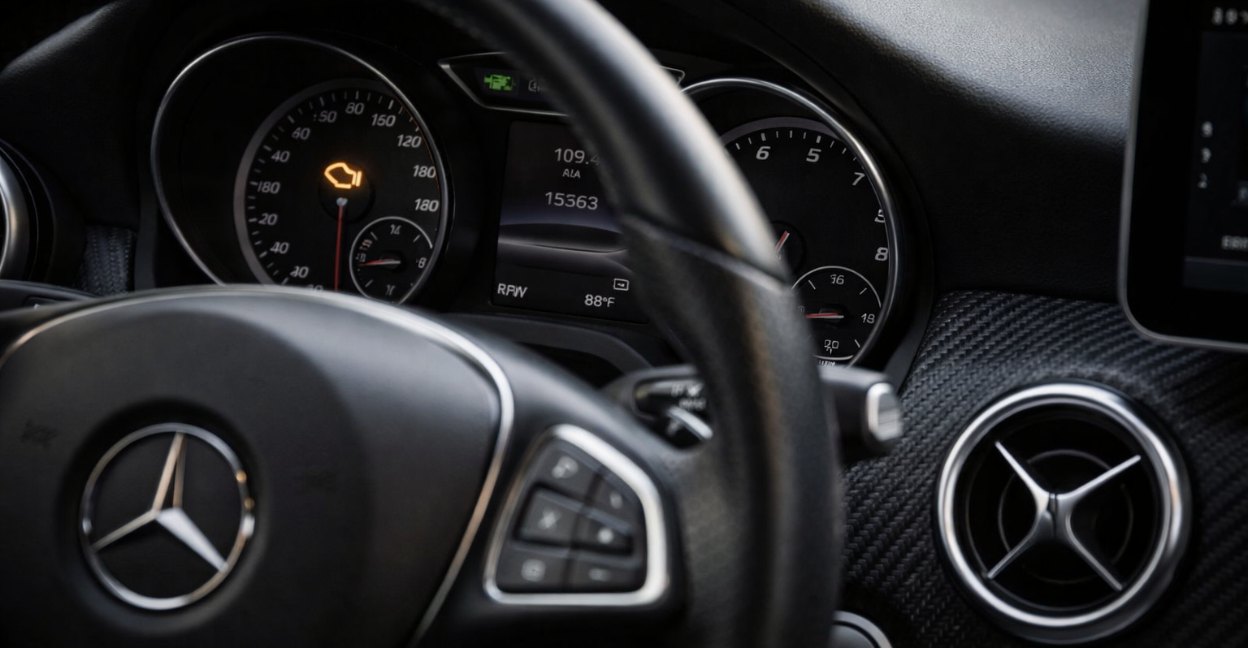
Driving a Mercedes is about more than luxury—it’s about performance, engineering precision, and advanced automotive technology. One of the many features designed to protect your vehicle is the Mercedes Check Engine Light, a warning indicator that alerts drivers when something in the engine or emissions system requires attention.
For many Mercedes owners, seeing the check engine light appear on the dashboard can be stressful. The light might indicate something minor like a loose gas cap or something more serious like engine misfires or sensor failures. Understanding what the check engine light means and how to respond can help you prevent costly repairs and keep your vehicle running smoothly.
In this guide, we’ll explain the most common reasons the Mercedes Check Engine Light turns on, what actions you should take, and why professional diagnostics are essential.
Understanding the Mercedes Check Engine Light
Modern Mercedes vehicles rely on advanced onboard computer systems that continuously monitor engine performance. These systems track hundreds of sensors responsible for fuel delivery, emissions control, ignition timing, airflow, and other critical functions.
When the system detects an irregularity, the Mercedes Check Engine Light illuminates to notify the driver that the vehicle needs attention. In many cases, the issue is detected early before it becomes a serious mechanical problem.
There are two types of check engine alerts drivers may notice:
Steady Light
A steady light usually indicates a problem that should be checked soon but may not require immediate stopping.
Flashing Light
A flashing check engine light indicates a more serious issue such as engine misfire that could damage components like the catalytic converter. In this case, the vehicle should be inspected as soon as possible.
If you notice the warning light appearing, it’s best to schedule a professional Check Engine Light diagnostic to identify the cause quickly.
Common Reasons the Mercedes Check Engine Light Turns On
The check engine light can be triggered by a wide range of mechanical or electronic issues. Below are some of the most common causes Mercedes drivers experience.
Loose or Faulty Gas Cap
One of the simplest causes of a check engine light is a loose or damaged gas cap. Mercedes vehicles have sealed fuel systems that maintain pressure to control emissions. If the gas cap isn’t properly secured, the system detects a pressure leak.
Symptoms may include:
- Check engine light appearing shortly after refueling
- Fuel smell around the vehicle
- Reduced fuel efficiency
Tightening or replacing the gas cap often resolves this issue.
Oxygen Sensor Failure
Oxygen sensors measure the amount of oxygen in the exhaust gases and help regulate the air-fuel mixture entering the engine. If the sensor fails, the engine may run inefficiently.
Signs of oxygen sensor problems include:
- Poor fuel economy
- Rough engine performance
- Increased emissions
A faulty sensor will often trigger the Mercedes Check Engine Light and should be replaced promptly.
Faulty Mass Airflow Sensor
The mass airflow sensor measures the amount of air entering the engine so the computer can deliver the correct fuel mixture. When this sensor fails, it disrupts engine efficiency.
Common symptoms include:
- Rough idling
- Engine hesitation during acceleration
- Reduced fuel efficiency
Replacing the mass airflow sensor usually resolves the issue quickly.
Engine Misfires
Engine misfires occur when the combustion process inside the engine cylinder fails. This can happen due to worn spark plugs, faulty ignition coils, or fuel system problems.
Misfires often cause:
- Engine shaking or vibration
- Reduced power
- Flashing check engine light
Because misfires can damage expensive engine components, this issue requires immediate attention.
Catalytic Converter Problems
The catalytic converter helps reduce harmful emissions from the exhaust system. If it becomes clogged or damaged, engine performance and fuel efficiency can decrease significantly.
Symptoms may include:
- Loss of acceleration power
- Poor fuel efficiency
- Rotten egg smell from exhaust
Ignoring catalytic converter issues can lead to expensive repairs.
Faulty Spark Plugs or Ignition Coils
Spark plugs ignite the air-fuel mixture inside the engine cylinders. Over time, they wear out and may cause engine misfires or rough performance.
If spark plugs or ignition coils fail, drivers may notice:
- Rough idle
- Difficulty starting the vehicle
- Poor acceleration
Replacing worn spark plugs is part of routine Mercedes maintenance and can prevent larger issues.
Vacuum Leaks
Mercedes engines rely on a network of vacuum hoses to regulate airflow and pressure throughout the engine system. A cracked or disconnected hose can cause incorrect air readings and trigger the check engine light.
Vacuum leaks may cause:
- Rough idle
- Engine stalling
- Reduced engine performance
Even small leaks can affect engine performance and should be diagnosed professionally.
Why Professional Diagnostics Are Important
While the check engine light provides a warning, it doesn’t tell drivers exactly what the problem is. Mercedes vehicles require specialized diagnostic tools to read the onboard computer codes and identify the precise issue.
Professional diagnostics allow technicians to:
- Retrieve engine fault codes
- Test sensors and engine components
- Identify hidden mechanical issues
- Prevent unnecessary part replacements
Without proper diagnostics, guessing the cause can lead to wasted time and money.
When You Should Not Ignore the Warning Light
Some drivers continue driving after the check engine light appears, hoping it will disappear on its own. However, ignoring the warning can allow small problems to grow into expensive repairs.
You should seek professional inspection if:
- The light stays on for several drives
- The engine begins running rough
- Fuel economy suddenly drops
- The light begins flashing
Early diagnosis helps protect the engine and maintain long-term vehicle reliability.
Preventing Future Check Engine Light Issues
Although some mechanical issues are unavoidable, many check engine light problems can be prevented with routine maintenance.
Mercedes owners should follow a consistent maintenance schedule that includes:
- Regular oil changes
- Spark plug replacement
- Air filter inspections
- Fuel system cleaning
- Sensor testing during service visits
These services help detect problems before they trigger the warning light.
Importance of Specialized Mercedes Repair
Mercedes vehicles are engineered differently from many other brands. Their advanced electronics and precision components require specialized knowledge and equipment.
When warning lights appear, working with technicians experienced in mercedes benz repair ensures that the problem is diagnosed accurately and repaired properly.
Specialized repair shops understand Mercedes systems and can perform repairs efficiently while maintaining the vehicle’s performance and reliability.
Final Thoughts
The Mercedes Check Engine Light is not something drivers should ignore. While it may signal a minor issue, it can also indicate serious engine or emissions problems that require immediate attention.
Understanding the most common causes of the warning light helps Mercedes owners respond quickly and avoid unnecessary damage. When the light appears, scheduling a professional diagnostic inspection ensures the issue is identified and resolved correctly.
By staying proactive with maintenance and responding to warning indicators promptly, Mercedes drivers can keep their vehicles running smoothly, efficiently, and safely for years to come.s hydraulic brakes with fluid that must be maintained regularly to ensure safe stopping power.