
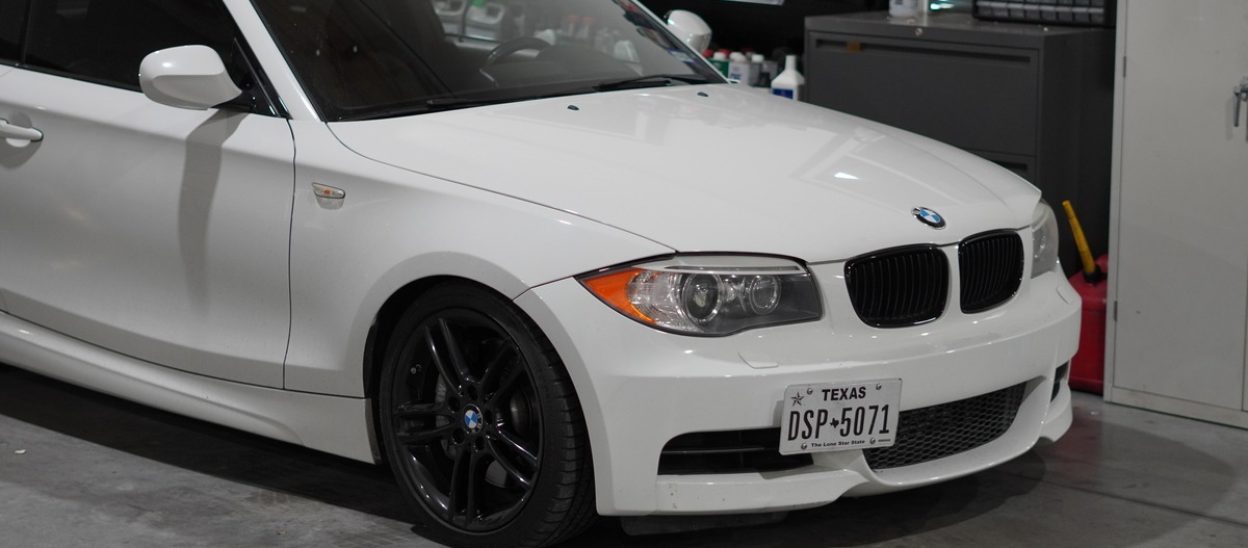
BMW vehicles are known for delivering an exceptional driving experience, combining performance, luxury, and advanced engineering. However, like any vehicle, BMWs require proper maintenance to remain reliable. One issue that many BMW owners eventually encounter is a coolant leak. Because BMW engines operate within specific temperature ranges, even a small coolant leak can quickly become a serious problem if left unresolved.
Recognizing common BMW coolant leak symptoms can help drivers prevent costly repairs and protect their engines from overheating. In areas like Leander, TX, where summer temperatures regularly climb into the upper 90s and beyond, maintaining a healthy cooling system becomes even more important.
Understanding the warning signs allows BMW owners to take action early before a minor issue develops into a major repair.
Why the Cooling System Is Important
The cooling system is responsible for regulating engine temperature.
Without proper cooling, excessive heat can cause damage to critical engine components, including:
- Head gaskets
- Radiators
- Water pumps
- Thermostats
- Engine blocks
BMW vehicles rely on a sophisticated cooling system that includes coolant passages, hoses, sensors, and pumps working together to maintain optimal operating temperatures.
When a coolant leak develops, the system’s ability to control heat is compromised.
Low Coolant Warning Light
One of the earliest BMW coolant leak symptoms is the appearance of a low coolant warning on the dashboard.
Modern BMW models use sensors to monitor coolant levels and alert drivers when the system detects a problem.
While low coolant does not always indicate a leak, it is often one of the first signs that coolant is escaping from the system.
Drivers should never ignore warning messages related to engine temperature or coolant levels.
Visible Coolant Under the Vehicle
Finding fluid beneath your BMW can be concerning.
Coolant often appears as:
- Green fluid
- Blue fluid
- Orange fluid
- Pink fluid
depending on the coolant type being used.
If you notice colored fluid pooling beneath the front portion of the vehicle, a coolant leak may be present.
Prompt inspection can help identify the source before additional damage occurs.
Engine Overheating
Overheating is one of the most serious BMW coolant leak symptoms.
When coolant levels drop significantly, the engine loses its ability to regulate temperature effectively.
Signs of overheating may include:
- Rising temperature gauge readings
- Dashboard warnings
- Steam from the engine compartment
- Reduced vehicle performance
Driving an overheating BMW can cause severe engine damage and should be avoided whenever possible.
Sweet Smell Inside or Outside the Vehicle
Coolant has a distinctive sweet odor that many drivers notice when leaks occur.
If you smell something sweet near the engine bay or inside the cabin, coolant may be leaking from:
- Heater core components
- Cooling hoses
- Radiator connections
- Engine seals
This symptom often appears before visible leaks become obvious.
Frequent Need to Add Coolant
A properly functioning cooling system should maintain consistent coolant levels.
If you find yourself repeatedly adding coolant, the system may have a leak somewhere.
Even slow leaks can gradually worsen over time.
Regularly monitoring coolant levels can help detect problems before they become more serious.
White Residue Around Engine Components
When coolant leaks and dries, it often leaves behind a white or chalky residue.
This residue may appear around:
- Radiator connections
- Coolant hoses
- Expansion tanks
- Water pump areas
These deposits can provide valuable clues about the location of a leak.
Common Causes of BMW Coolant Leaks
Several components can contribute to coolant loss.
Common causes include:
- Cracked expansion tanks
- Failing water pumps
- Damaged radiator hoses
- Worn seals and gaskets
- Aging cooling system components
BMW cooling systems contain several plastic components that can become brittle with age and heat exposure.
Regular inspections help identify vulnerable parts before failure occurs.
Why Texas Heat Makes Cooling System Problems Worse
The hot climate in Central Texas places additional stress on vehicle cooling systems.
High ambient temperatures force engines to work harder to maintain safe operating temperatures.
For drivers in Leander, even a minor coolant leak can become more problematic during summer months.
This makes preventive maintenance particularly important for BMW owners.
The Importance of Early Diagnosis
Many coolant leaks start small and gradually worsen.
Addressing issues early can help prevent:
- Engine overheating
- Component failure
- Costly repairs
- Unexpected breakdowns
Professional inspections allow technicians to identify the source of leaks and recommend appropriate repairs before more extensive damage occurs.
Many BMW owners rely on professional BMW Repair services to evaluate cooling system concerns and maintain vehicle reliability.
Trust Experienced European Auto Specialists
BMW cooling systems are engineered differently than many domestic vehicles.
Proper diagnosis often requires specialized knowledge and equipment.
Euro Garage ATX helps BMW owners throughout Leander and surrounding communities maintain their vehicles through expert inspections, diagnostics, and maintenance services.
Conclusion
Recognizing common BMW coolant leak symptoms can help drivers protect their vehicles from overheating and expensive engine repairs. Warning lights, coolant loss, sweet odors, visible leaks, and rising temperatures should never be ignored.
For BMW owners in Leander, TX, staying proactive with cooling system maintenance is especially important due to the region’s demanding climate. Addressing coolant leaks early helps ensure long-term reliability, performance, and peace of mind.