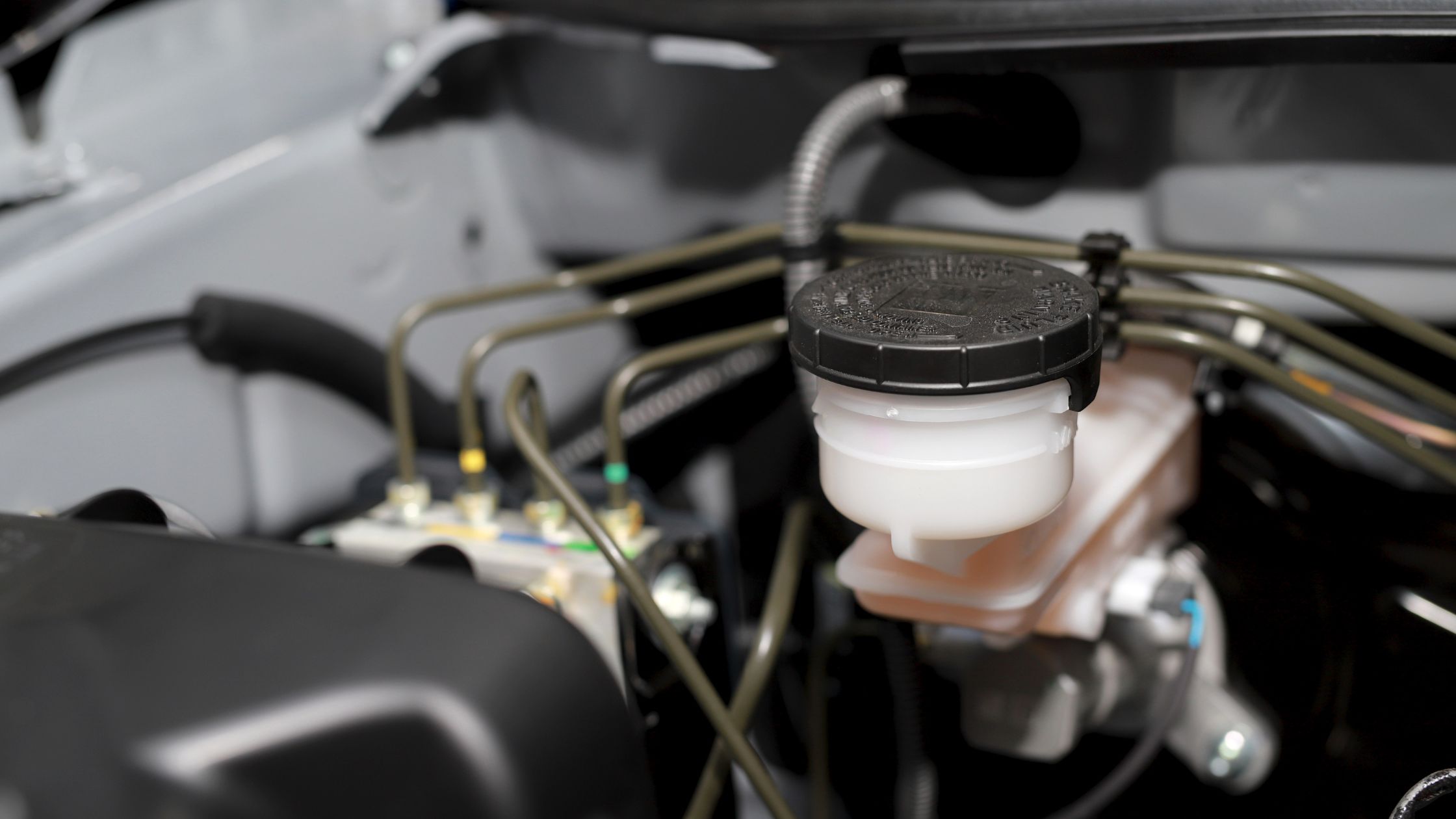
Your vehicle’s braking system is one of the most critical pillars of safety, performance, and control. Whether you’re navigating busy city streets or cruising on Texas highways, responsive brakes are essential. Many drivers pay attention to brake pads and rotors but overlook brake fluid—yet it’s vital to ensure consistent stopping power.
This guide explains what brake fluid does, why it breaks down, the signs of trouble, and how regular service keeps your car safe and smooth on the road.
Why Brake Fluid Is So Important
Brake fluid transfers the force from your foot on the pedal to the brakes at each wheel. It ensures:
- Strong hydraulic pressure transfer
- Resistance to heat from repeated braking
- Protection against corrosion
- Smooth, reliable stopping power
Contaminated or degraded fluid can weaken these vital functions and increase stopping distance.
Causes of Brake Fluid Deterioration
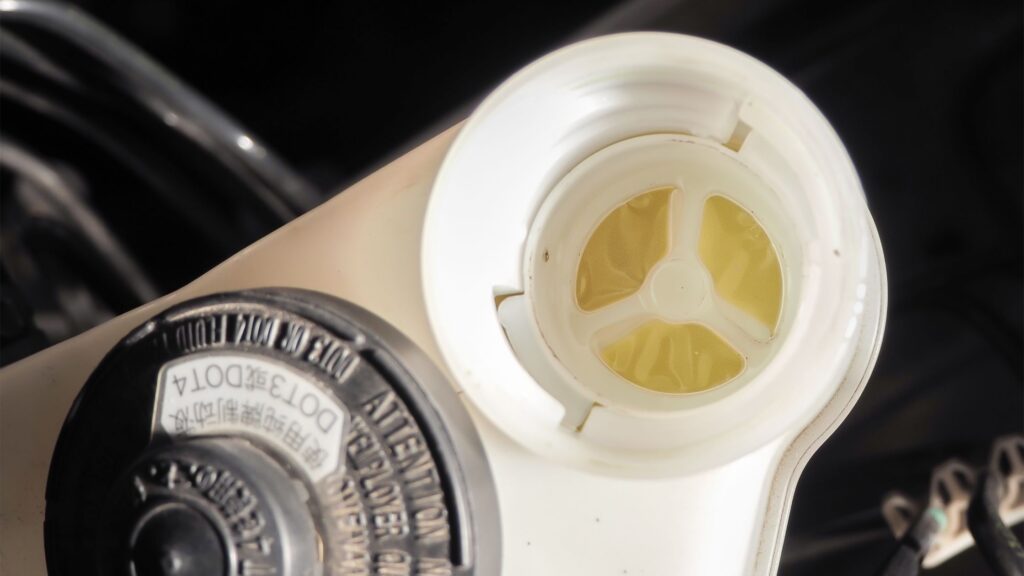
Even in a sealed system, brake fluid absorbs moisture and breaks down over time. The main causes include:
- Moisture absorption: DOT 3 and DOT 4 fluids are hygroscopic and gradually attract water from the air, reducing their boiling point.
- Heat exposure: Frequent stops or steep terrain generate heat that breaks down fluid and accelerates oxidation.
- Internal contamination: Metallic and rubber debris mix into the fluid, damaging components.
- Neglected service intervals: Because fluid degradation isn’t visible, drivers often skip timely replacement.
When and How Often to Replace Brake Fluid
Most automakers recommend a full brake fluid flush every 2–3 years or roughly every 25,000–30,000 miles. Hot climates and heavy traffic can shorten that interval.
Book a service right away if you experience:
- A soft or spongy pedal
- Increased stopping distance
- Brake or ABS warning lights
- Vibration or brake fade
- Dark or burnt‑smelling fluid
What’s Involved in Professional Brake Fluid Service
A quality service goes far beyond topping off the reservoir. Technicians follow a precise process to restore performance and safety:
- Comprehensive system inspection: Lines, hoses, calipers, and the master cylinder are checked for wear or leaks.
- Brake fluid testing: Electronic tools measure fluid quality and boiling point.
- Complete system flush: Old, contaminated fluid is removed using pressure or vacuum‑assisted equipment.
- Refill with OEM‑approved fluid: The correct DOT type is added to match manufacturer specifications.
- Bleeding the system: Any air bubbles are removed for consistent pedal feel.
- Final test drive: The brake response, pressure, and ABS function are verified.
Learn more about how turbochargers and superchargers improve engine performance and how added power affects braking demands.
Benefits of Routine Brake Fluid Maintenance
- Sharper braking response — Better pedal feel and reliable stopping power.
- Protection from internal corrosion — Prevents moisture‑related rust and wear.
- Extended component life — Reduces stress on calipers, rotors, and seals.
- Improved ABS and traction control — Ensures precision for safety systems.
- Better heat resistance — Maintains performance in hot Texas conditions.
Myths That Put Braking Safety at Risk
- “If my brakes feel fine, the fluid must be fine.” — Fluid quality drops long before you notice symptoms.
- “Topping off is enough.” — That doesn’t remove contaminants or moisture.
- “Brake fluid lasts forever.” — No vehicle uses lifetime brake fluid.
- “Only older cars need it.” — Newer systems are even more sensitive to fluid condition.
Recognizing signs your vehicle may need a wheel alignment can help maintain stable handling and even braking response.
Stay Safe with Professional Brake Fluid Service
Brake fluid maintenance is small but crucial. Keeping it fresh protects your braking system, enhances driving confidence, and helps prevent costly failures down the road.
For expert diagnostics, manufacturer‑approved fluids, and precise service, trust Euro Garage, your local specialists in European, performance, and luxury vehicles. Their certified technicians ensure your brakes deliver reliable stopping power in every condition.
Frequently Asked Questions
1. How often should I change my brake fluid?
Most vehicles require a brake fluid flush every 2–3 years or around 25,000–30,000 miles. However, if you drive frequently in hot weather, stop‑and‑go traffic, or mountainous terrain, servicing it sooner is recommended.
2. What are the signs that my brake fluid needs replacement?
Watch for a soft or spongy brake pedal, longer stopping distances, brake or ABS warning lights, or dark, burnt‑smelling fluid. These signs often indicate contamination or degraded performance.
3. Can I top off brake fluid myself instead of replacing it?
Topping off only adds more fluid—it doesn’t remove moisture, dirt, or chemical breakdown. A full flush is the only way to restore proper performance and prevent internal corrosion.
4. Why does brake fluid absorb moisture?
Most brake fluids (like DOT 3 and DOT 4) are hygroscopic, meaning they absorb water over time. Moisture lowers the fluid’s boiling point, which can cause brake fade or failure during hard braking.
5. Is brake fluid service expensive?
It’s relatively affordable compared to repairing ABS modules, brake lines, or calipers damaged by old or contaminated fluid. Regular maintenance helps you avoid those high repair costs.
6. Do hybrid or electric vehicles still need brake fluid service?
Yes. Even with regenerative braking, your vehicle still uses hydraulic brakes with fluid that must be maintained regularly to ensure safe stopping power.