
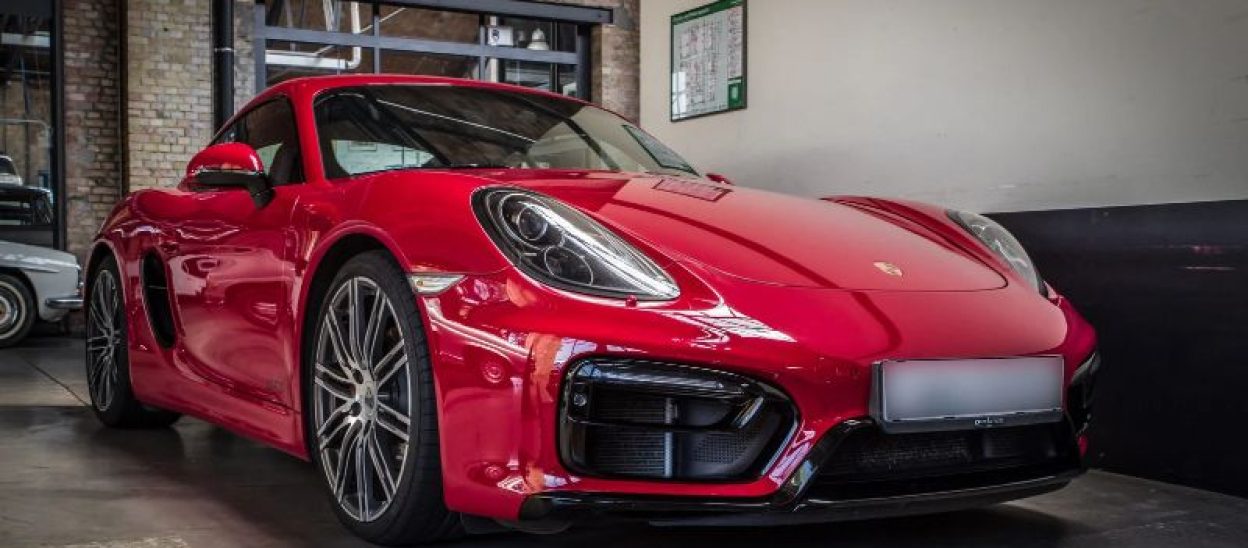
A Porsche is built to be driven, and driven hard. That engineering is the reason the car feels the way it does, and it is also the reason maintenance matters more than on an average commuter. Fluids work harder, brakes see more heat and tires wear differently. Keeping to a sensible schedule is the single best way to protect your car’s performance and its value.
This guide walks through a practical Porsche maintenance schedule: what needs to be done, roughly when, and what to watch for in Central Texas conditions. Exact intervals depend on your model, year and engine, so always use your owner’s manual and the factory maintenance schedule as the final word. Think of this as a guide to what to ask about, not a replacement for your car’s own plan.
Why a Porsche needs a specific maintenance plan
Porsche engines, transmissions and brakes are designed for high output. Many run at high temperatures and tight tolerances. They use specific oils, fluids and parts that are not interchangeable with generic ones. Using the wrong oil or skipping a service can shorten the life of expensive components.
Texas adds its own demands: long summers, stop-and-go traffic on I-35 and highways, and the heat soak that follows a hot drive. These conditions make fluid quality, cooling and brake health more important.
Engine oil and filter service
Oil service is the foundation of any Porsche maintenance schedule. Many current Porsche models call for an oil service about once a year or at a set mileage, whichever comes first, but the exact interval depends on your model and driving style. Cars that are tracked, driven hard, or used for short trips may need earlier service than a light-use car.
Use oil that meets Porsche’s approval for your engine. Our guide on the importance of regular oil changes explains why the right oil and interval matter, and our oil change and factory maintenance service follows the manufacturer’s specifications.
Brake fluid
Brake fluid absorbs moisture from the air, and moisture lowers the boiling point of the fluid. In a car that brakes hard, that can mean a soft pedal under heavy use. Brake fluid is generally replaced about every two years on performance cars, regardless of mileage. Read why brake fluid service matters.
Brake pads, rotors and inspection
Porsche brakes are powerful and wear accordingly. Pads and rotors should be inspected at every service, and the car should be checked for uneven wear, vibration and noise. If your car has carbon-ceramic brakes, they need specialist inspection because they are costly and wear differently from steel rotors. See our guide on why brake maintenance is crucial for safety.
Spark plugs and ignition
Spark plugs, and on some engines coils, wear over time. Worn plugs cause misfires, rough running and wasted fuel, and on turbocharged cars they can place extra strain on the ignition system. Replacement intervals vary by engine, and many Porsches call for plugs at longer mileage intervals than a typical car. Follow the schedule for your model.
PDK transmission service
If your Porsche has a PDK dual-clutch transmission, its fluid and filter need periodic service. The fluid does a hard job lubricating and cooling the clutches and gears, and heat degrades it. Do not treat the PDK as a sealed, no-maintenance unit. Learn more in our technical article on Porsche’s PDK transmission, and see our transmission repair service.
Coolant and cooling system
Coolant protects the engine against overheating and corrosion. It should be replaced at the manufacturer’s interval, and the hoses, radiators and water pump should be inspected for leaks. Texas heat puts the cooling system under constant stress. Our guide to BMW coolant leak symptoms lists warning signs that apply to most European cars.
Air conditioning
A Porsche cabin can get hot quickly in the summer. Have the system checked for refrigerant leaks, compressor condition and cooling performance each spring. See why European car AC struggles in Texas heat.
Tires, wheels and alignment
Porsche tires are performance compounds that wear differently from standard tires and can age out before the tread is gone. Check pressure monthly, inspect for cracking and sidewall damage, and check alignment after hitting a pothole or curb or after any suspension work. Misalignment wears expensive tires quickly. Our post on signs you need a wheel alignment explains what to look for, and we offer wheel alignment service.
Cabin air filter, air filter and other filters
Texas dust, pollen and traffic fumes clog filters faster than you might expect. Replace the cabin filter and engine air filter on or ahead of the schedule, since they affect air quality, cooling and performance.
Battery and electrical system
Modern Porsches have a lot of electronics, and a weak battery can cause a range of strange warning lights and failures. Have the battery tested annually, especially if the car sits for long periods. Heat shortens battery life, and a Porsche that is not driven often may need a battery maintainer.
Suspension and steering
Check bushings, mounts, shocks and, on cars with adaptive systems, their performance at each service. Worn parts affect handling, tire wear and safety. See our suspension repair service.
A simple way to think about the schedule
- Every service: oil and filter, inspection of brakes, tires, fluids, belts, hoses and suspension, and a scan for stored codes
- Every year or two: brake fluid, cabin filter, air conditioning check, battery test
- At longer mileage intervals: spark plugs, transmission fluid, coolant, drive belts and other items listed for your model
- After heavy use or track days: brake inspection, fluid checks and a full inspection
Your owner’s manual and the factory schedule are the final authority, and a Porsche specialist can tell you what applies to your exact car.
Dealer or independent specialist?
You do not have to service a Porsche at a dealer to keep it properly maintained. What matters is that the work is done to the manufacturer’s specification, using the right parts, fluids and diagnostic tools. Read our comparison of dealer vs independent European repair, and see our warranty information for details.
FAQ
How often should a Porsche be serviced?
Many models call for service about once a year or at a set mileage, but it depends on your car. Check your manual.
How much does Porsche maintenance cost?
It depends on the model and what is due. Oil service costs less than a major interval service with plugs, fluids and inspections. We give a clear estimate before work begins.
Is Porsche maintenance different in Texas?
The schedule is the same, but heat, traffic and sun place extra demands on fluids, brakes, cooling and tires, so inspections matter more.
Can I use regular oil in my Porsche?
No. Use oil that meets Porsche’s approval for your engine.
Schedule Porsche service in Leander
Euro Garage maintains and repairs Porsches for drivers in Leander, Cedar Park, Georgetown, Liberty Hill and Austin. See our Porsche repair page, call (737) 225-8565 or book an appointment.